Rose Water (Rosa Damascena Hydrosol)
Rose water has been known and used since ancient times. Legend has it that when Cleopatra was seducing Mark Anthony, she had rose water spouting from the fountains in her palace. Apart from being an aphrodisiac, rose water is one of the best facial cleansers and toners. It has anti-septic, anti-inflammatory, anti-bacterial and hydrating properties. It is used to soothe acne and skin burns, to refresh and rejuvenate the skin.
A known digestive, rose water is a common food flavoring in Middle Eastern and Mediterranean cuisines. In Morocco, for example, it is a tradition to add rose water to freshly squeezed orange juice. Rose water is an ingredient in countless recipes, from baklava to Indian curries.
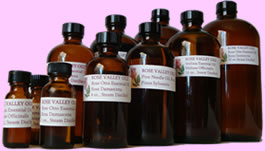
Authentic rose water, as the one offered by Rose Valley Oils, is not a by-product of essential oil distillation, but is steam distilled separately in its own right.
| HYDROSOL PROPERTIES |
Appearance:
homogenous liquid
Color:
colorless to very slightly pink or yellow
Aroma:
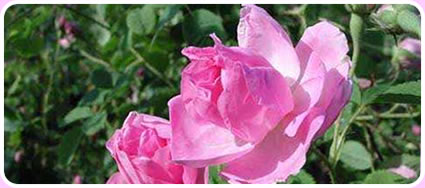
specific of Kazanlak Rosa Damascena
Plant parts used in distillation:
flowers
Growing method:
ethically cultivated |
Composition:
Contains the basic compounds of rose oil: citronelol, nerol, geraniol, phenyl aclohol, linalool, etc.
Storage:
in well-sealed containers at 5 to 15º C, away from direct sunshine or heat sources
Shelf life:
1 year
Harvesting period:
in June |

DISCLAIMER
Essential oils are highly concentrated substances and must be used with caution. The information on this website is provided as general knowledge only and is not intended as any medical or professional advice. The medicinal qualities of essential oils have not been evaluated by the FDA and should be applied only by licensed professionals. Rose Valley Oils does not assume any responsibility for the use of essential oils.
Copying and reproducing this text in any way or incorporating it in other texts is prohibited unless express written agreement is provided by Rose Valley Oils. |
|